Nov. 12, 2025
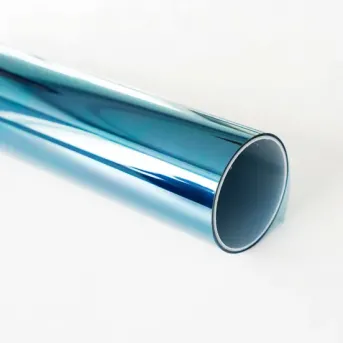
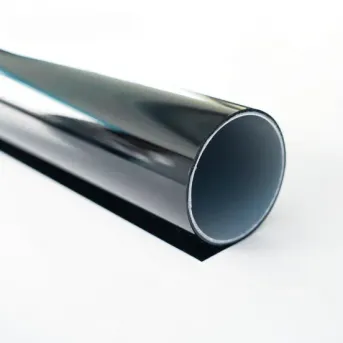
Short answer: Window film is a thin, multi-layer material applied to glass to change solar, optical, privacy, safety or decorative performance. Automotive and architectural films may use dyed, metalized, ceramic, clear protective or decorative constructions. The right film is selected by measured performance on the relevant glass system, local regulations, appearance, installation conditions and the intended use—not by darkness alone.
A typical product combines a polyester or specialist polymer substrate with functional layers, an adhesive and a protective release liner. Depending on the film, the functional layer may absorb selected wavelengths, reflect solar energy, hold broken glass together or change the appearance of the glazing. The installed result depends on both the film and the glass construction.
| Term | Meaning | What to check |
|---|---|---|
| VLT | Visible light transmission | How much visible light passes through the tested glass-and-film system |
| UVR | Ultraviolet rejection | Wavelength range and test method used by the supplier |
| IRR | Infrared rejection | Measured wavelength range; isolated peak values are not directly comparable |
| TSER | Total solar energy rejected | System-level solar performance under the stated standard and glass type |
| Glare reduction | Change in visible brightness | VLT, viewing conditions and the application’s visibility needs |
| Film family | Typical purpose | Selection note |
|---|---|---|
| Dyed film | Shade, glare control and appearance | Compare color stability and optical uniformity |
| Metalized or sputtered film | Solar control through reflective layers | Check appearance and possible signal sensitivity |
| Ceramic film | Selective solar control with a non-metal construction | Compare complete spectral and optical data |
| Safety and security film | Glass retention and impact-risk management | Specify thickness, attachment system and applicable test standard |
| Decorative film | Privacy, patterns and interior design | Confirm light transmission, finish and cleaning requirements |
Performance values are meaningful only when the test method, wavelength range, film sample and glass substrate are stated. A value measured on clear single glazing should not be assumed to match an insulated, laminated, tinted or low-emissivity glass system. For projects, review glass compatibility and thermal-stress risk before installation.
This page explains common industry terms and selection logic. It does not publish a product-specific performance claim or replace a current technical data sheet. Actual results vary with film construction, glass type, climate, orientation, installation quality and maintenance. Regulatory limits for vehicle glazing also vary by market.
No. Visible darkness and total solar performance are different properties. Compare measured system data rather than judging by appearance alone.
No. Glass construction, coatings, pane configuration and thermal conditions can change compatibility. Architectural projects require a glass-system review.
Request a current technical data sheet, the relevant test methods, representative samples, construction details, packaging options and batch acceptance criteria.
Previous: What is Paint Protection Film (PPF)?
Latest news
Jul,09. 2026
Related Products

Company
Company
Stay in Touch
Stay in Touch